
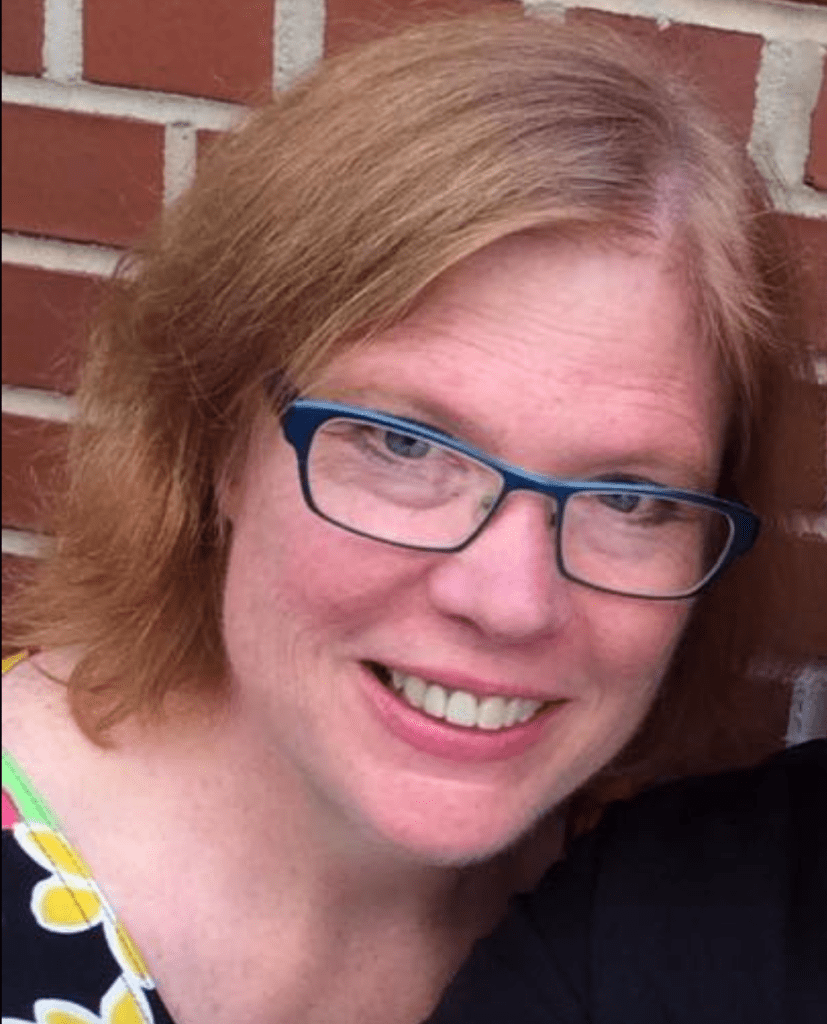
Nancy Klee
This site is under construction, but hello! I am a former teacher in the Kalamazoo Pubic Schools’ Academically Talented Program serving third- through fifth-graders. I specialized in incorporating aspects of aesthetic education into A/T’s writing and math curriculum.
A Brief Teaching Bio and More About A/T
Teaching was actually a second calling for me. I worked for KPS in various capacities from 2002 until 2026. I began teaching in the A/T program in 2008. I originally wanted to teach, but the pay just out of college seemed too low. Before teaching, I worked for a couple of academic medical centers in Wisconsin as a physician liaison, building relationships between tertiary-care physicians and primary-care and other doctors in outlying communities.
What drew me to the teaching profession mostly was the problem-solving aspect. I thought teachers collaborated more than physicians, and I really like a solid, creative team environment. Also, I had some great teachers growing up, and I wanted to provide that experience for kids.
What I most enjoyed about teaching was building relationships with kids and getting them to see just how much they are capable of doing. I felt especially lucky about having a cadre of kids beginning in third grade that I got to have for three years. And then sometimes that I had their siblings as well.
To summarize my personal beliefs about teaching: I believe that kids should be able to direct their own learning as much as possible. The role of the teacher should be to enhance a student’s ability to think through increasingly complex issues in an organized, thoughtful manner. To put it another way: creative guiding through questioning and lots of collaboration.
My personal beliefs about student learning: Students learn best through collaboration, experience and failure. Feedback and revision/editing across the curriculum are essential to learning. The role of the teacher in the learning process amounts to guiding students through direction, feedback, and questioning.
How I approached curriculum development in A/T: I created most of the curriculum for my program from 2008 until 2026. One of my methods was to routinely query former students when they were four to five years out of A/T — i.e., when they were ninth- or tenth-graders — about the extent to which A/T helped to scaffold their subsequent learning. And then I made adjustments. Also on an annual basis I tried to embed topics that I knew kids didn’t have access to in the regular classroom.
It’s important to keep in mind that kids need to learn how they learn best and learn what matters to them. Giving them choice and opportunity allows them to be able to figure themselves out. In short, I taught to build kids’ interests, creativity, and confidence in a meaningful way, hoping it would help them later in life.
How was A/T student performance assessed? A/T is a project-based curriculum where students are assessed by rubric at the end of a project.
I defined A/T student success as a student who leaves the program and still wants to dig deep into something that interests them and is knowledgeable about how to do so.
My greatest strength as a teacher was probably my creativity. This helped me relate to most students and develop curriculum and lessons that were interesting and nourishing.

